


PCS – THE CRITICAL EQUIPMENT BEHIND COMPACT SUBSTATION RELIABILITY AND THE VALUE OF PROFESSIONAL O&M
PCS – The Equipment That Plays a Critical Role in compact Substation Reliability
Equipment manufactured to stringent technical standards is not necessarily guaranteed to operate safely and reliably throughout its entire service life.
Equipment reliability can only be sustained when it is supported by a properly implemented Operations & Maintenance (O&M) program based on engineering expertise, field experience, systematic procedures, and modern asset management practices.
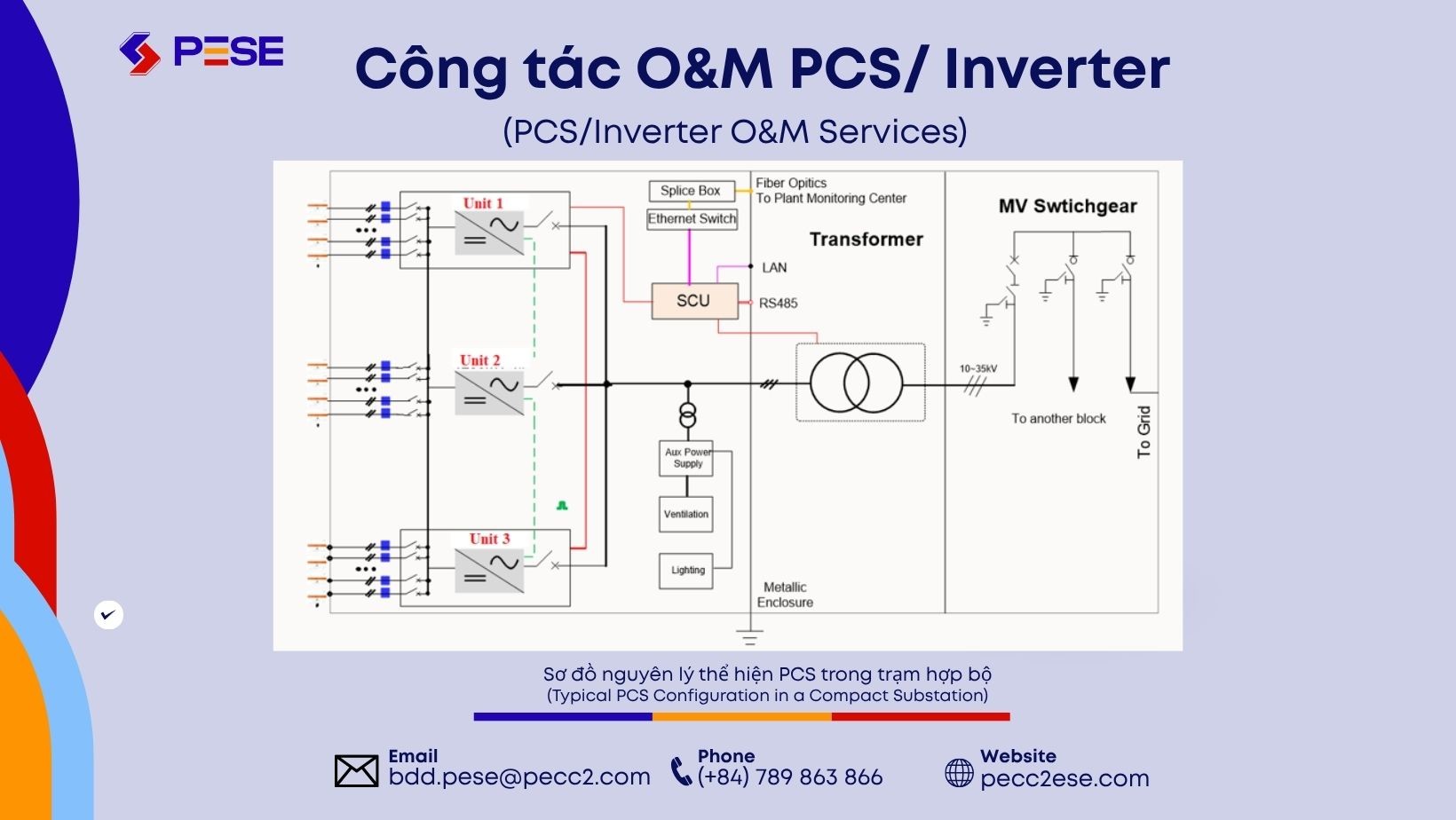
In utility-scale solar power plants, the Power Conversion System (PCS), commonly referred to as a central inverter, can be considered the “heart” of the power conversion station. It converts direct current (DC) generated by PV strings into alternating current (AC), while controlling key electrical parameters to meet grid connection and power quality requirements.
Although a solar power plant may have a relatively limited number of PCS units, each unit typically represents a significant share of the plant’s generation capacity. As a result, the unexpected shutdown of even a single PCS can reduce power output and directly affect energy yield, revenue, plant availability, and overall project performance.
PCS Operates Under Harsh Conditions
During operation, PCS equipment operates continuously under demanding conditions, including high electrical currents, high power density, elevated ambient temperatures, and significant levels of dust.
Over time, factors such as degraded electrical connections, accumulated dust, reduced cooling efficiency, aging electronic components, and abnormal operating conditions can cause localized temperature increases inside the equipment.
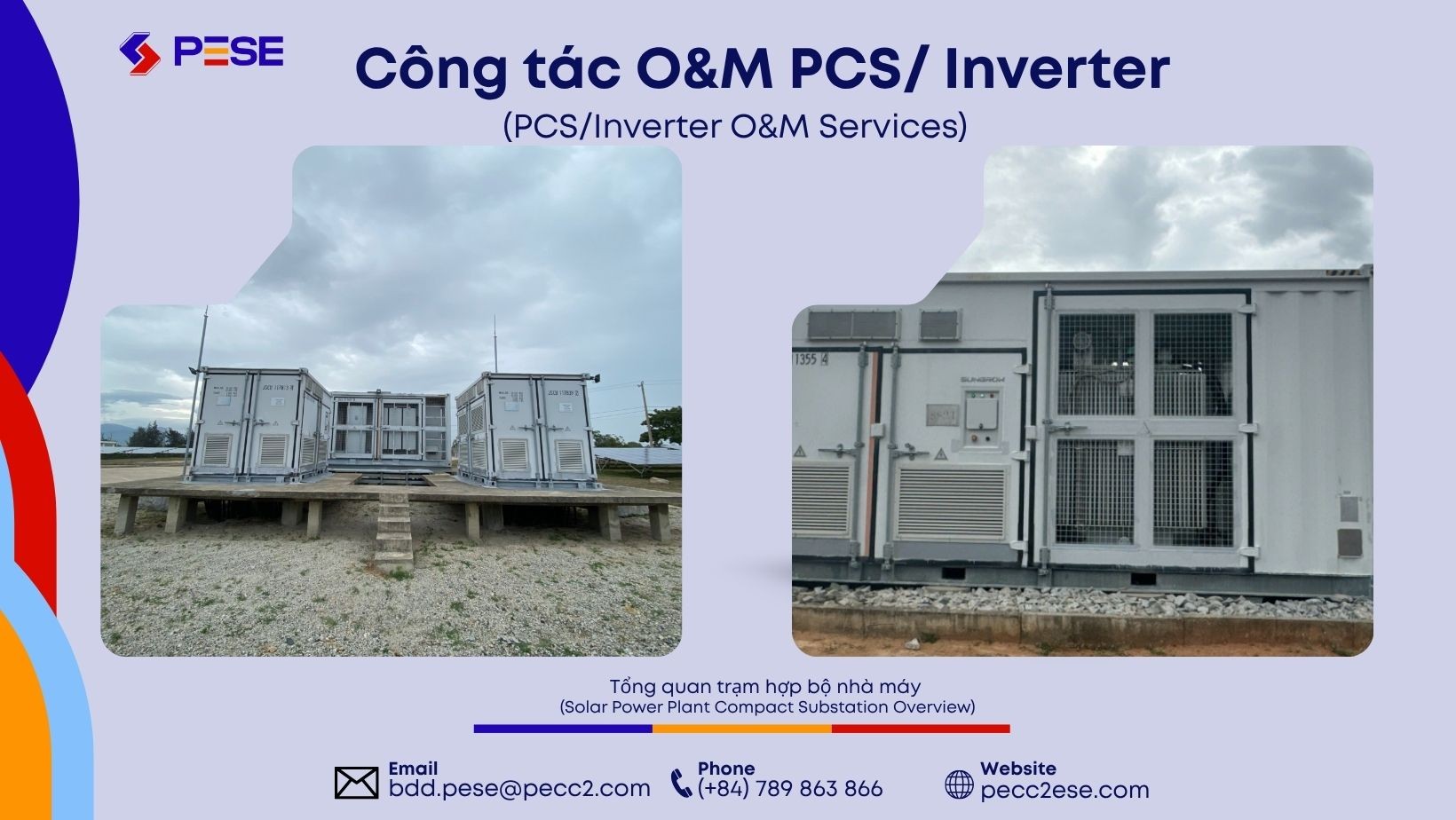
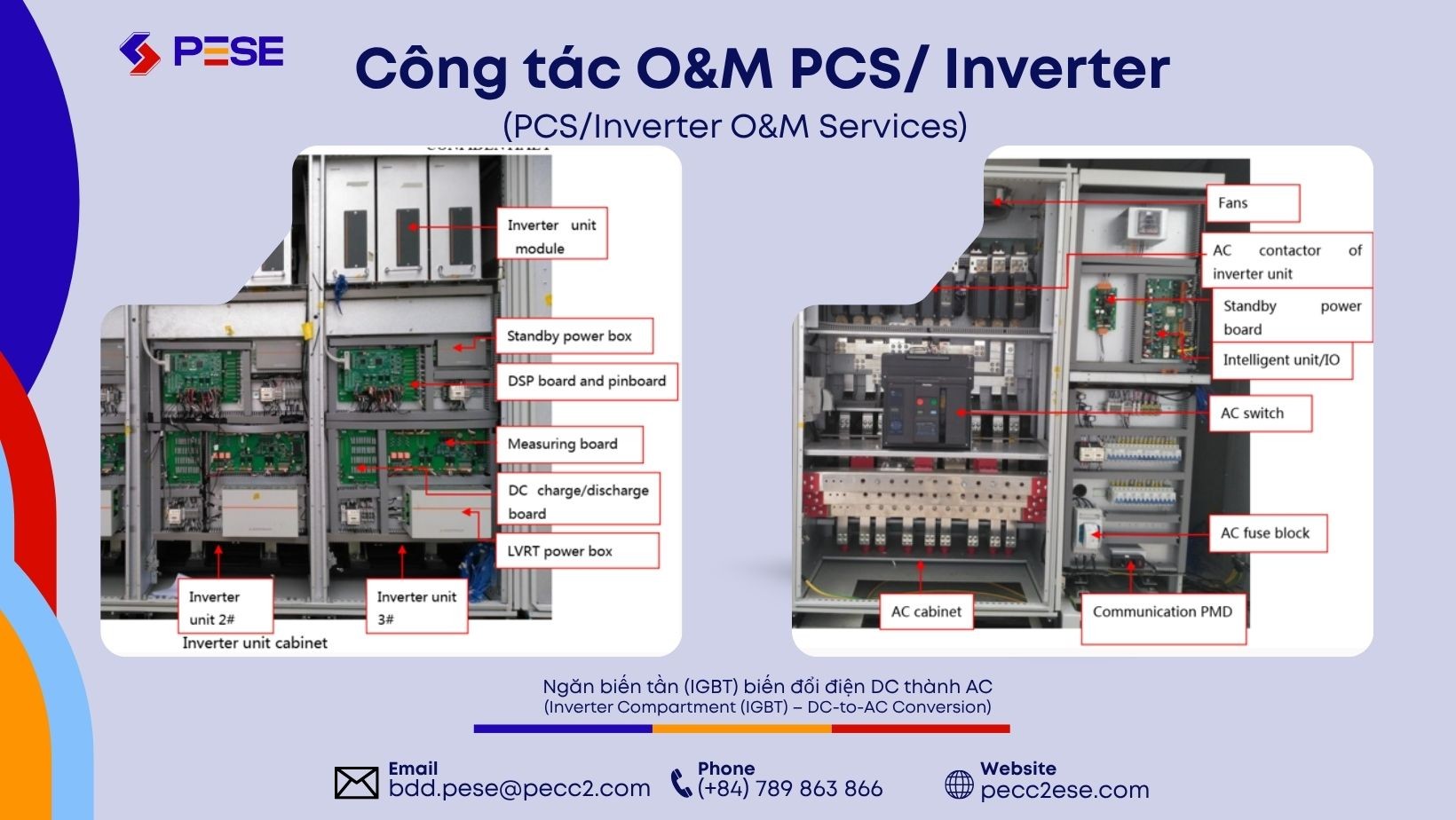
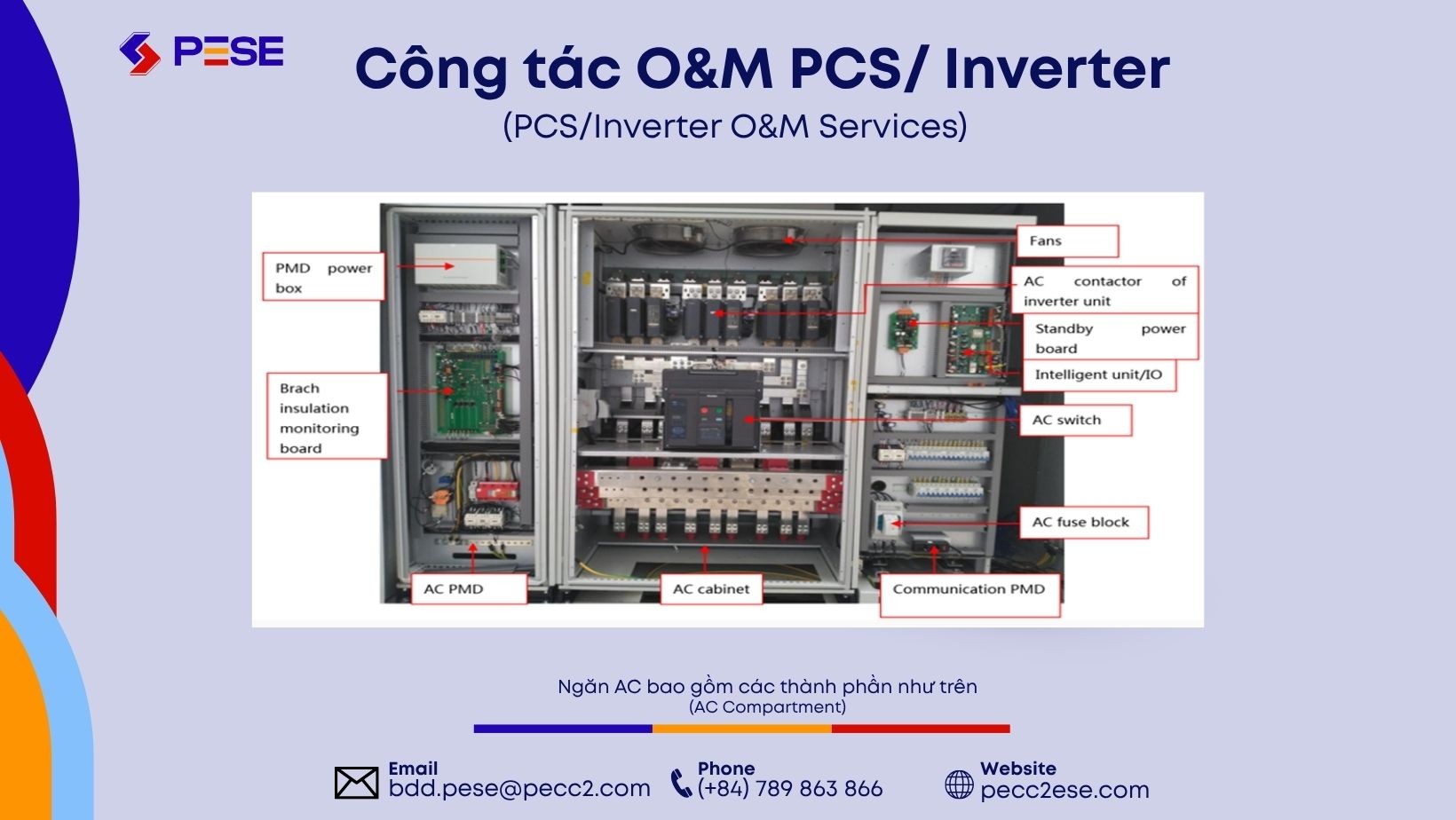 If these conditions are not identified and addressed in time, they may develop into hot spots, arc flash events, power module failures, electrical faults, or, in severe cases, equipment fires.
Beyond the direct cost of repair or component replacement, such failures can result in unplanned downtime and lost power generation, directly affecting the project's financial performance and return on investment.
Most Major Failures Show Warning Signs Beforehand
Based on field operating experience, as well as recommendations from inverter manufacturers and equipment reliability practices, many serious PCS failures do not occur completely without warning.
- Before developing into major equipment failures, PCS systems may exhibit early indicators such as:
- Abnormal temperatures at electrical connections or busbars;
- Reduced cooling system performance;
- Recurring alarms in the control system, SCADA, or HMI;
- Abnormal fluctuations in current, voltage, or component temperature;
- A gradual decline in the equipment's conversion efficiency.
These signals provide valuable insight into the operating condition of the PCS and can be identified through appropriate monitoring, inspection, and condition assessment programs.
In practice, many major failures do not originate from a significant defect at the beginning. Instead, they can develop from small abnormalities that remain undetected or are not addressed at the right time.
When alarms are repeatedly ignored or treated only as temporary issues, the underlying risk can accumulate over time and eventually develop into a major failure—with significant technical, operational, and financial consequences.
Modern O&M Goes Beyond Scheduled Maintenance
For many years, O&M activities were primarily based on Time-Based Maintenance (TBM), where maintenance was performed according to predefined schedules.
However, as technology has advanced and the requirements for power plant reliability have increased, modern asset management increasingly incorporates more condition- and risk-based approaches, including:
- Condition-Based Maintenance (CBM): Maintenance based on the actual condition and performance of the equipment.
- Predictive Maintenance (PdM): Identifying potential failures by analyzing operating data, trends, and equipment performance.
- Reliability-Centered Maintenance (RCM): Developing maintenance strategies according to the criticality and impact of each asset on overall system reliability.
For PCS systems, a professional solar power plant O&M program should integrate multiple engineering activities, including:
- Continuous monitoring of operating data through the SCADA system;
- Analysis of temperature, current, voltage, and conversion-efficiency trends;
- Infrared thermography to identify localized hot spots;
- Inspection, cleaning, and performance assessment of cooling systems;
- Inspection and torque verification of electrical connections in accordance with the manufacturer's specifications;
- Functional testing of protection systems;
- Firmware and equipment configuration updates in accordance with manufacturer recommendations;
- Root Cause Analysis (RCA) of abnormal alarms and failures to prevent recurrence.
The objective of modern O&M is not simply to repair equipment after a failure has occurred.
It is to identify risks at an early stage, intervene at the right time, and maintain equipment in an optimal operating condition throughout the project lifecycle.
PESE – Supporting Asset Owners in Improving Plant Reliability
With extensive experience in the operation and maintenance of solar power plants, PESE develops PCS/Inverter O&M programs with a strong focus on risk prevention, equipment reliability, and long-term asset performance.
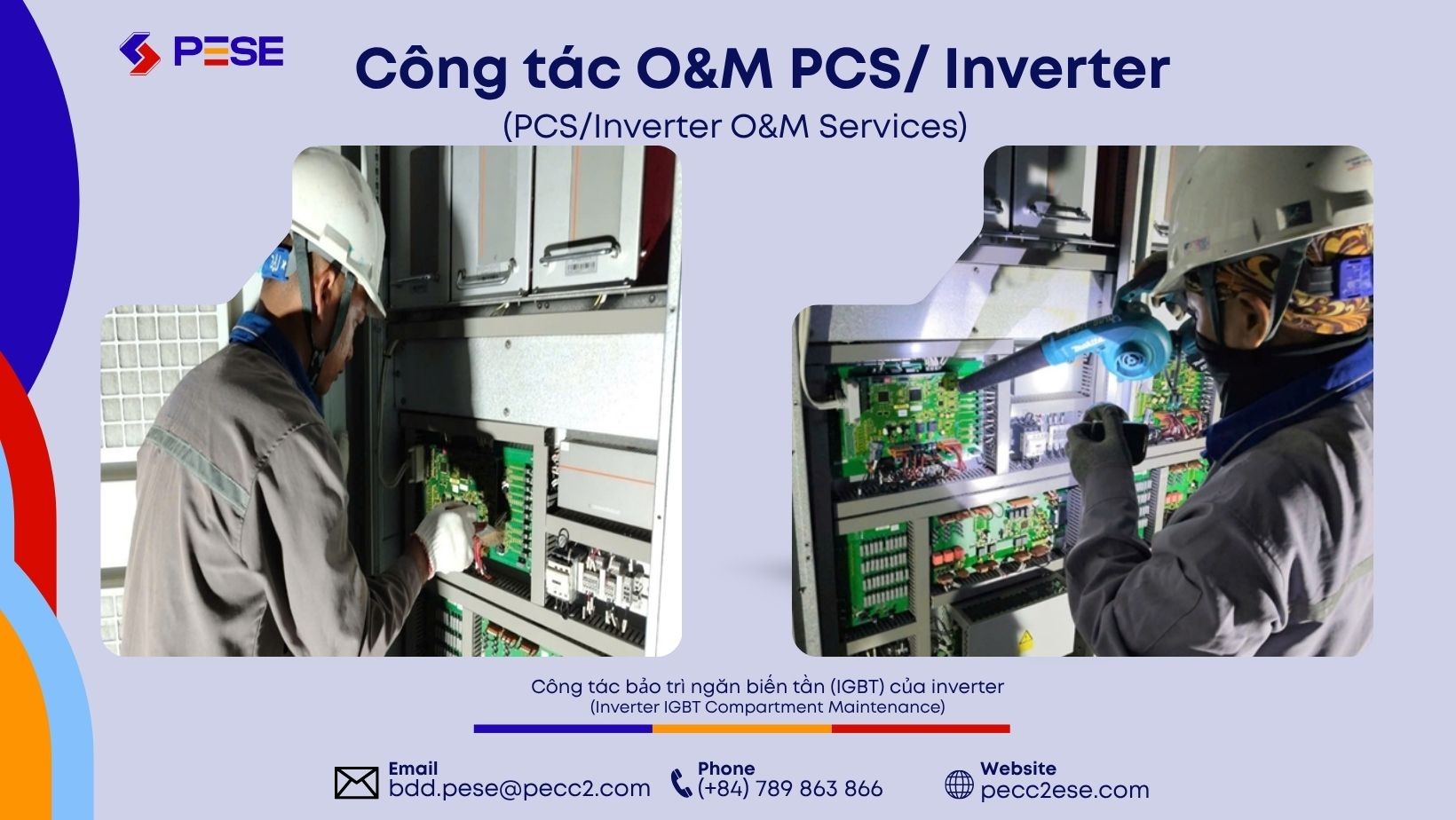
PESE's engineering teams continuously monitor PCS operating conditions, analyze historical operating data, assess equipment degradation trends, and conduct specialized inspections, including:
- Infrared thermal imaging;
- Electrical connection and contact-condition assessment;
- Cooling system performance evaluation;
- Protection function testing; and
- Root Cause Analysis (RCA) of abnormal operating conditions and equipment events.
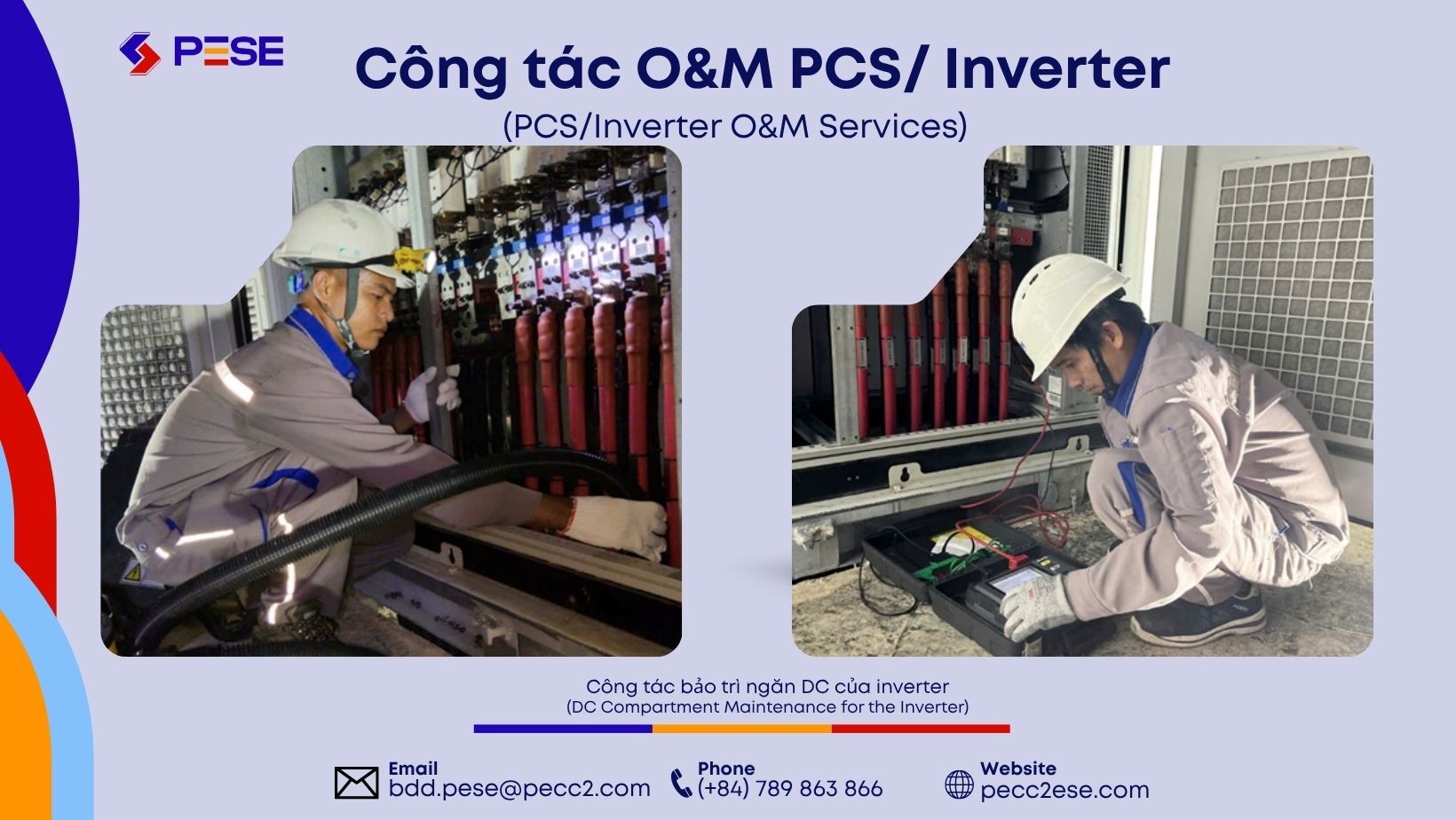
Based on these assessments, maintenance plans can be developed according to the actual condition of the equipment, rather than relying solely on fixed time intervals.
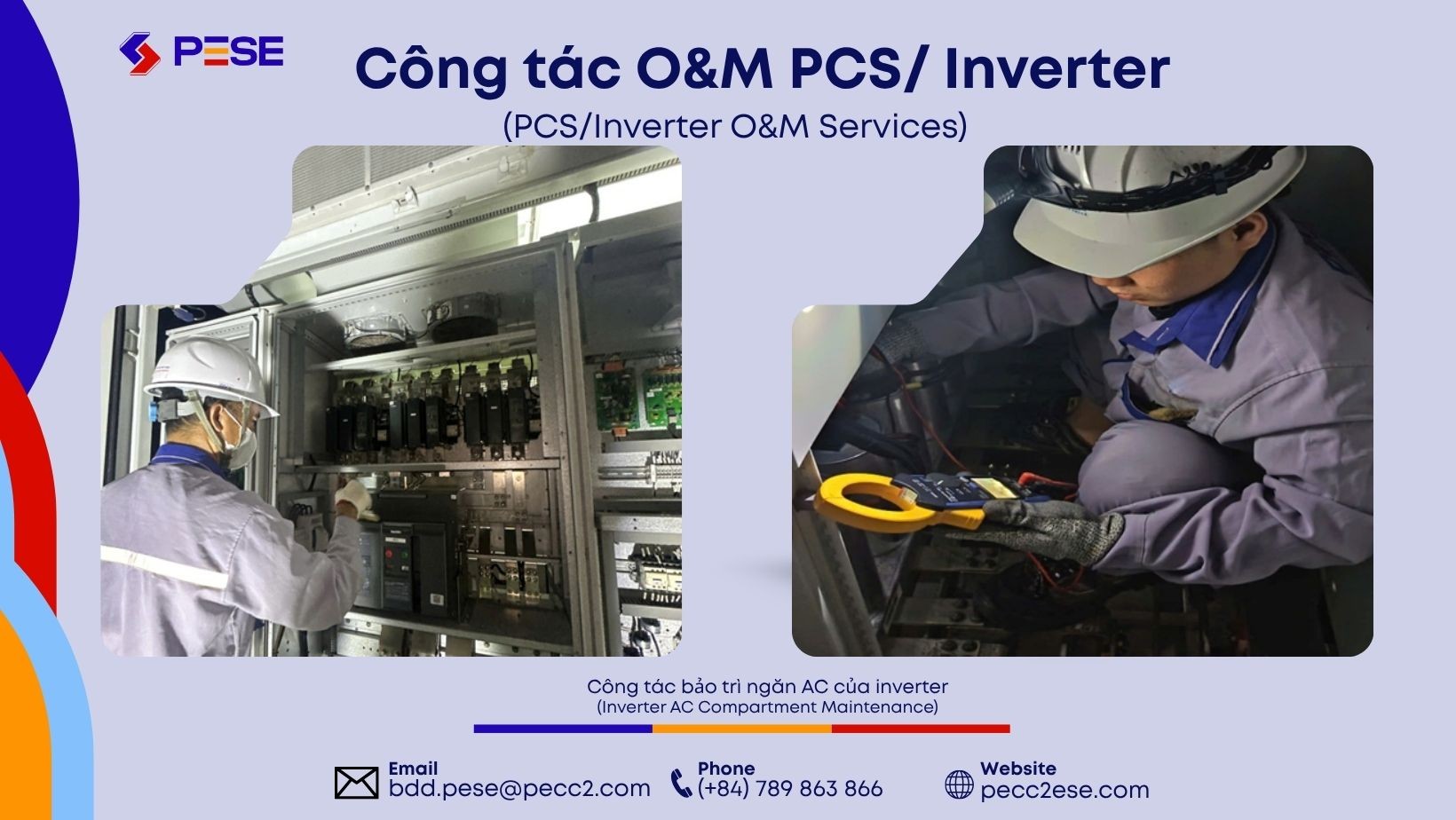
This approach helps identify potential risks earlier, prevent failures before they occur, extend equipment service life, minimize unplanned generation downtime, and optimize the overall operational performance of the power plant.
For PESE, O&M is more than keeping equipment running. It is a continuous process of managing technical risks, improving asset reliability, and protecting long-term plant performance.
O&M Is an Investment in Protecting Project Assets
For asset owners and investors, selecting an O&M provider is not simply about choosing a contractor to perform scheduled maintenance.
It means choosing a technical partner with the capabilities to manage operational risks, maintain equipment reliability, protect asset value, and support long-term project performance.
O&M costs can be compared directly on a quotation. However, the ability to prevent failures, optimize plant performance, and extend equipment service life can only truly be demonstrated through the plant's operating performance over time.
The value of a professional O&M provider is therefore not measured only by its ability to respond after a failure occurs.
It lies in the ability to identify, control, and eliminate potential risks before they develop into costly failures.
At PESE, we believe that O&M is not simply an operating expense. It is a strategic investment in protecting project assets, maintaining energy yield, improving equipment reliability, and ensuring that the plant operates safely, reliably, and efficiently throughout its lifecycle.
Because a solar power plant only creates lasting value when its critical equipment is ready to perform.
Equipment reliability is not a matter of luck. It is built every day through professional, systematic, data-driven, and proactive O&M.
By PESE


Các tin khác
- Head Office Address: PECC2 Innovation Hub, No. 45 Street 2, Thu Duc Ward, Ho Chi Minh City (HCM), Vietnam
- Factory Address: Street 6, Long Khanh Industrial Park, Binh Loc Ward, Dong Nai City
- PESE (Lao) Sole Co., Ltd: Thatluang Tai Village, Saysettha District, Vietiane City, Laos
- Phone: (+84) 789 863 866
- Email: bdd.pese@pecc2.com


All rights reserved


